
Uro-Oncology & Cancer Surgery
Comprehensive surgical management of kidney, prostate, bladder, and testicular cancers.
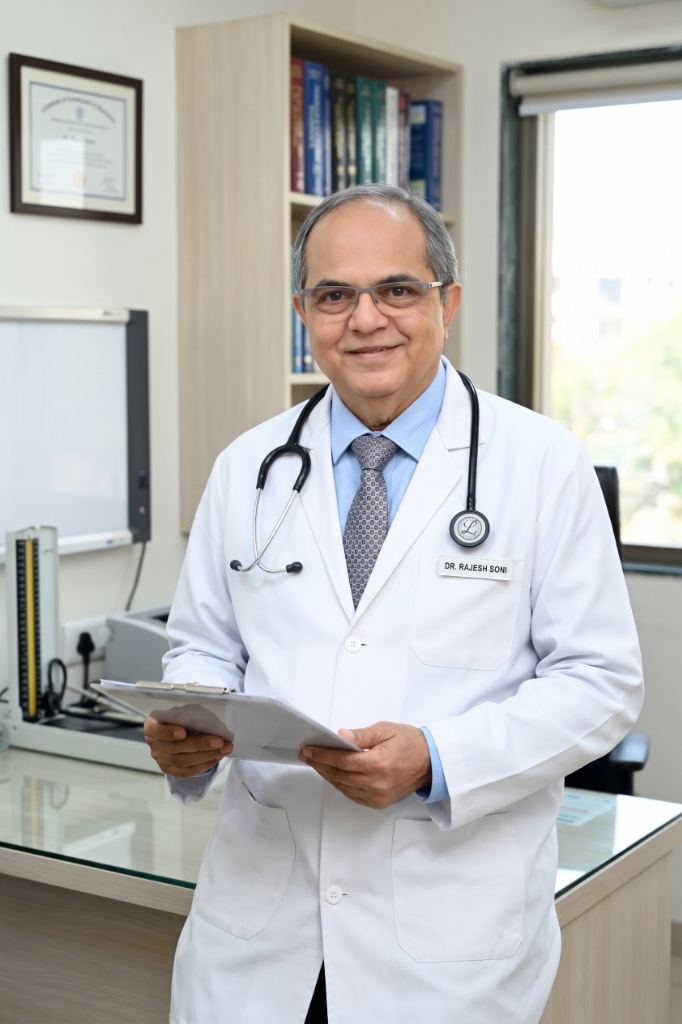
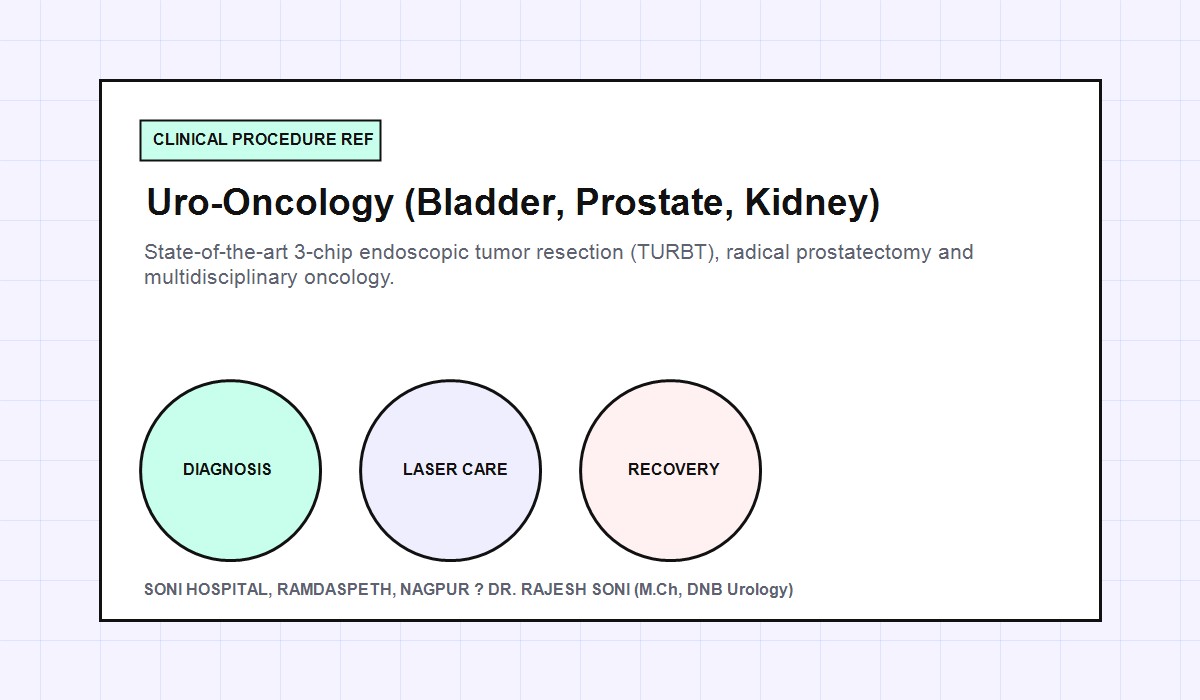
📋 Clinical Procedure Highlights
- Department: Soni Hospital Advanced Urology & Endosurgery Centre, Ramdaspeth, Nagpur.
- Surgical Technique: Minimally invasive laser, endoscopic, or microscopic intervention with tissue preservation.
- Anesthesia & Safety: State-of-the-art anesthesia with comprehensive pre-operative medical optimization.
- Insurance / TPA: Cashless claim pre-authorization supported for all major health insurance providers.
📋 Key Clinical Takeaways: Urological Oncology
- Early Warning Red Flag: Painless visible blood in urine (hematuria) is the cardinal early indicator of bladder and kidney malignancies and must never be ignored or dismissed.
- Nephron-Sparing Kidney Surgery: Modern partial nephrectomy allows surgical excision of renal tumors while preserving the remainder of the healthy kidney, protecting lifelong renal function.
- Endoscopic Precision for Bladder Tumors: Transurethral Resection of Bladder Tumor (TURBT) provides definitive diagnostic staging and complete clearance for non-muscle-invasive bladder cancer without external incisions.
- Prostate Cancer Risk Stratification: Elevated PSA levels combined with Multiparametric MRI (mpMRI) guide targeted evaluation, differentiating slow-growing indolent disease from aggressive tumors requiring radical surgery.
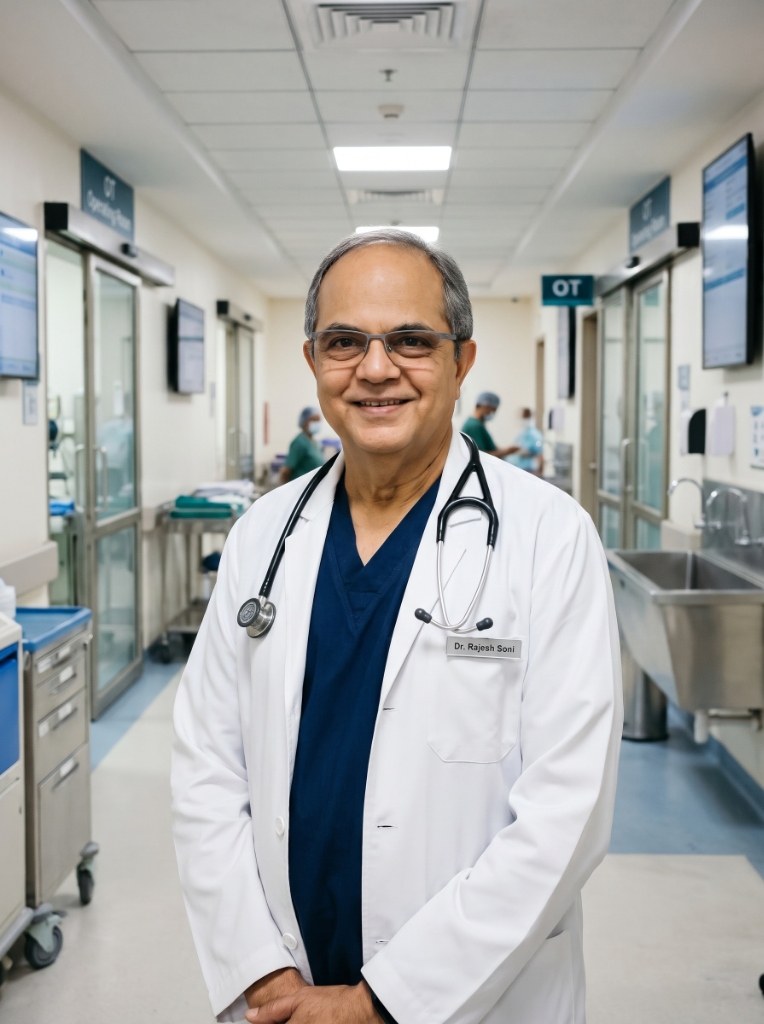
- Comprehensive Hospital Infrastructure: Soni Hospital, Ramdaspeth, Nagpur, features laminar airflow operation theaters, 100W Holmium laser endosurgery, high-dependency post-operative units, and cashless Mediclaim pre-authorization.
Urological oncology is the surgical and medical discipline dedicated to the diagnosis, staging, and treatment of cancers affecting the kidneys, urinary bladder, prostate gland, testes, adrenal glands, and penis. Because many urological tumors develop silently in their early stages, timely clinical recognition, high-resolution diagnostic imaging, and precise anatomical surgery form the foundation of curative treatment.
At Soni Hospital in Ramdaspeth, Nagpur, Senior Consultant Urologist Dr. Rajesh Soni brings more than 25 years of surgical expertise to complex oncological procedures. Trained at the premier Muljibhai Patel Urological Hospital (MPUH) in Nadiad and advanced surgical institutions in Vienna, Dr. Soni provides comprehensive uro-oncological care focused on complete tumor eradication while safeguarding organ function, urinary continence, and quality of life.
Warning Signs & Symptom Checklist
If you or a family member experience any of the following symptoms, an immediate urological consultation is recommended:
-
Painless Gross Hematuria
Urine appearing red, pink, or cola-colored without accompanying pain or burning. -
Dull Flank Ache or Abdominal Mass
Persistent ache in the side/back below the ribs, or a palpable lump in the flank. -
Elevated or Rapidly Rising PSA
Prostate-Specific Antigen level above age-adjusted reference ranges on routine screening. -
Painless Scrotal Swelling or Testicular Lumps
Any firm nodule, mass, or change in consistency in either testicle. -
Sudden Unexplained Urinary Obstruction
Rapid deterioration in urine stream, acute retention, or refractory urinary urgency. -
Systemic B-Symptoms
Unexplained weight loss, recurring evening fever, fatigue, or generalized malaise.
1. Kidney Cancer (Renal Cell Carcinoma): Radical & Partial Nephrectomy
Renal Cell Carcinoma (RCC) represents approximately 90% of all primary kidney malignancies. With widespread utilization of abdominal ultrasound and health check scans, a large proportion of kidney tumors are discovered incidentally at an early, localized stage (termed incidentalomas) before causing visible hematuria, flank pain, or a palpable mass.
Surgical management depends on tumor dimensions, anatomical complexity, renal vascular proximity, and baseline global renal function:
- Partial Nephrectomy (Nephron-Sparing Surgery – NSS): For tumors measuring up to 4 cm (cT1a) and selected tumors up to 7 cm (cT1b), partial nephrectomy is the international gold-standard procedure. Dr. Rajesh Soni carefully clamps the renal artery under cold or warm ischemia, cleanly excises the tumor with a 2–3 mm margin of healthy tissue, oversews open calyces to prevent urine leakage, and reconstructs the renal defect (renorrhaphy). This procedure saves the remaining healthy kidney tissue, preventing future chronic kidney disease and cardiovascular morbidity.
- Radical Nephrectomy: For extensive tumors, central tumors involving the renal hilum, or cases where nephron-sparing is oncologically unsafe, radical nephrectomy removes the kidney intact inside its protective envelope of Gerota’s fascia and perinephric fat, along with regional lymphadenectomy.
- Thrombus Extraction for Advanced RCC: In advanced kidney cancers extending into the renal vein or inferior vena cava (IVC), Dr. Soni performs complex cavo-atrial thrombectomy with cross-specialty support to achieve complete tumor clearance.
2. Bladder Cancer: Painless Hematuria, TURBT & Radical Cystectomy
Bladder cancer is predominantly of urothelial (transitional cell) origin and has an established association with environmental exposures, industrial chemicals, and tobacco smoking. It most frequently manifests as sudden, intermittent, painless gross hematuria.
The disease is fundamentally categorized into two distinct clinical forms with vastly different management pathways:
A. Non-Muscle-Invasive Bladder Cancer (NMIBC)
Approximately 70–75% of newly diagnosed bladder cancers are confined to the inner mucosal lining (Ta, T1, or Carcinoma in Situ – CIS). The cornerstone of both diagnosis and primary therapy is Transurethral Resection of Bladder Tumor (TURBT). Under spinal anaesthesia, Dr. Soni introduces a high-definition resectoscope through the natural urethral passage, maps all lesions, and meticulously resects the tumor along with underlying detrusor muscle to establish accurate pathological depth staging. Following TURBT, adjuvant intravesical chemotherapy (Mitomycin C) or immunotherapy (Bacillus Calmette-Guérin – BCG) is instilled into the bladder to minimize recurrence.
B. Muscle-Invasive Bladder Cancer (MIBC)
When high-grade cancer invades the muscularis propria of the bladder wall (Stage T2 and beyond), conservative resection is insufficient. The curative surgical standard is Radical Cystectomy:
- In Men: Complete removal of the urinary bladder, prostate gland, seminal vesicles, and bilateral pelvic lymph nodes.
- In Women: Removal of the bladder, uterus, anterior vaginal wall, ovaries, and pelvic lymph nodes (anterior exenteration).
- Urinary Diversion: To redirect urinary flow, Dr. Soni constructs either an Orthotopic Ileal Neobladder (a new bladder fashioned from a segment of small intestine and connected to the native urethra, allowing the patient to urinate naturally) or an Ileal Conduit (directing urine to an external stoma bag on the abdomen).
3. Prostate Cancer: PSA Screening, mpMRI & Surgical Strategies
Prostate cancer is the second most frequently diagnosed cancer in men globally. Because early prostate cancer rarely produces symptoms distinct from benign prostate enlargement, structured screening with serum Prostate-Specific Antigen (PSA) and digital rectal examination (DRE) is crucial for men aged 50 and older (or age 45 for those with a family history).
- Multiparametric MRI (mpMRI) & Targeted Biopsy: At Soni Hospital, men with suspicious PSA elevations undergo high-resolution 3T mpMRI. Radiologically identified lesions categorized as PIRADS 4 or 5 undergo targeted, antibiotic-protected transrectal or transperineal prostate biopsy, yielding accurate histological Gleason scoring while minimizing sepsis risks.
- Radical Prostatectomy: For localized prostate cancer, radical prostatectomy removes the entire prostate gland, seminal vesicles, and pelvic lymph nodes. Dr. Soni employs meticulous nerve-sparing techniques whenever oncologically sound, preserving the neurovascular bundles responsible for erectile function and urinary continence.
- Multimodal & Active Surveillance: For very low-risk, indolent disease, structured active surveillance spares patients unnecessary interventions. For advanced disease, hormonal androgen deprivation therapy (ADT) and coordination with medical oncology provide durable disease control.
4. Testicular Tumors & Adrenal Masses
Testicular Cancer: Rapid Cure Through Timely Surgery
Testicular cancer is the most common solid malignancy in young men aged 15 to 35 years. It typically presents as a firm, painless swelling or nodule in the testis. The initial definitive intervention is a High Inguinal Orchidectomy—surgical excision of the testis through a small groin incision, with high vascular control at the internal inguinal ring. With modern multimodality chemotherapy, radiation, and surgical retroperitoneal lymph node dissection (RPLND), testicular cancer boasts cure rates exceeding 95% even in disseminated cases.
Adrenal Gland Tumors
Adrenal neoplasms—including pheochromocytomas, aldosteronomas, Cushing’s adenomas, and adrenal cortical carcinomas—require specialized biochemical hormonal evaluation (plasma metanephrines, 24-hour urinary catecholamines, cortisol) before surgical resection. Dr. Soni performs open and laparoscopic adrenalectomies with strict hemodynamic stabilization in conjunction with expert endocrinology and critical care teams.
5. Interactive Surgical Treatment Comparison Matrix
The matrix below outlines the clinical differences, diagnostic standards, surgical modalities, and organ-preservation possibilities across key uro-oncological conditions treated at Soni Hospital, Nagpur:
| Malignancy Type | Primary Clinical Indicator | Gold-Standard Investigation | Definitive Surgical Modality | Organ Preservation Option | Average In-Patient Stay |
|---|---|---|---|---|---|
| Kidney Cancer (RCC) | Incidental scan finding, flank ache, hematuria | Triple-phase Contrast CT Abdomen / MRI | Partial Nephrectomy / Radical Nephrectomy | Yes (Nephron-Sparing NSS) | 3–5 Days |
| Bladder Cancer (NMIBC) | Painless visible red blood in urine (gross hematuria) | Diagnostic Cystoscopy + CT Urography | Transurethral Resection (TURBT) | Yes (Complete Bladder Preservation) | 24–48 Hours |
| Bladder Cancer (MIBC) | Recurrent bleeding, pelvic pain, weight loss | Staging TURBT + CECT Chest/Abdomen | Radical Cystectomy + Neobladder / Conduit | Neobladder (Natural voiding) | 7–10 Days |
| Prostate Cancer | Elevated PSA, abnormal DRE, urinary slowing | Serum PSA Kinetics + 3T mpMRI + Biopsy | Radical Prostatectomy / Active Surveillance | Nerve-Sparing Continence Preservation | 4–6 Days |
| Testicular Cancer | Firm painless testicular nodule or enlargement | High-resolution Scrotal Doppler + Tumor Markers | High Inguinal Orchidectomy | Contralateral Testis Preserves Fertility | 24–48 Hours |
6. The Uro-Oncology Patient Journey at Soni Hospital, Nagpur
Facing a potential cancer diagnosis is emotionally demanding. At Soni Hospital, we have engineered our oncological workflow to be swift, compassionate, transparent, and structured around five distinct care milestones:
Phase 1: Specialized Clinical Consultation
Comprehensive review of symptoms, medical history, prior scans, and physical examination in a private, unhurried environment. Dr. Rajesh Soni provides clear, compassionate guidance to alleviate patient and family anxiety.
Phase 2: High-Definition Diagnostic Staging
Expedited multiphasic cross-sectional imaging (CECT, 3T MRI, or PET-CT), tumor markers (PSA, AFP, beta-hCG), and diagnostic endoscopy (flexible cystoscopy) to determine the precise anatomical stage and histological risk profile.
Phase 3: Multidisciplinary Planning & Cashless Clearance
Collaborative surgical planning with medical oncology and cardiology specialists. Simultaneously, our insurance desk initiates cashless Mediclaim pre-authorization with your TPA to eliminate financial ambiguity.
Phase 4: Minimally Invasive Surgical Intervention
Surgery is conducted in state-of-the-art laminar airflow theaters. Utilizing high-definition endoscopy, 100W Holmium laser, or advanced open/laparoscopic techniques, Dr. Soni prioritizes complete cancer excision with organ preservation.
Phase 5: Structured In-Patient Recovery & Surveillance
Adherence to Enhanced Recovery After Surgery (ERAS) protocols for pain management, early oral feeding, and mobilization. Post-discharge, a tailored surveillance schedule ensures lifelong oncological peace of mind.
7. Enhanced Recovery & Post-Operative Surveillance Protocols
Modern cancer surgery does not stop in the operating room. Post-operative care at Soni Hospital adheres to established Enhanced Recovery After Surgery (ERAS) principles:
- Pain Minimization: Multi-modal, opioid-sparing analgesia and local/regional nerve blocks keep patients comfortable and alert immediately following surgery.
- Early Ambulation: Patients are gently assisted out of bed within 24 hours of surgery, significantly reducing the risks of deep vein thrombosis (DVT), pneumonia, and bowel sluggishness (ileus).
- Pathology Review & Tumor Board: Every surgical specimen is subjected to comprehensive microscopic and immunohistochemical examination by senior oncopathologists. Clear surgical margins, pathological stage, and lymph node status are reviewed in detail with the patient.
- Long-Term Surveillance: Follow-up schedules (scans, biomarkers, check cystoscopies) are charted out in advance so that any subtle recurrence is detected and resolved at the earliest possible stage.
Book Uro-Oncology & Cancer Surgery Consultation
Direct consultation with Senior Consultant Urologist Dr. Rajesh Soni at Soni Hospital, Ramdaspeth, Nagpur. Complete the form below to send your consultation request directly to our clinical desk via WhatsApp for prompt confirmation.
Chat & Book via WhatsApp
Direct connection to Dr. Rajesh Soni's Desk
Common questions
While hematuria can stem from non-cancerous causes like kidney stones or urinary tract infections, painless visible blood in the urine is the primary early warning sign of bladder or kidney cancer. In individuals over 40, painless hematuria should NEVER be treated merely with antibiotics or assumed to be minor—it mandates prompt urological evaluation including ultrasonography, CT urography, and diagnostic flexible cystoscopy.
Yes. For tumors measuring up to 4 to 7 cm (and favorably situated larger lesions), Dr. Rajesh Soni performs Partial Nephrectomy (Nephron-Sparing Surgery). By excising only the tumor with a margin of healthy tissue and reconstructing the renal defect, we achieve identical cancer cure rates while preserving maximum functional nephrons, protecting long-term kidney function and cardiovascular health.
BPH and prostate cancer frequently coexist and can produce overlapping symptoms like a weak stream or nocturnal frequency. We differentiate them through a combination of digital rectal examination (DRE), serum total and free PSA kinetics, and Multiparametric MRI (mpMRI) of the prostate. When suspicious lesions (PIRADS 4 or 5) are identified, targeted biopsy under antibiotic coverage confirms or excludes malignancy.
Bladder tumors are initially resected endoscopically through the urethra via Transurethral Resection of Bladder Tumor (TURBT). Operating with a high-definition resectoscope, Dr. Soni clears the tumor completely down to the bladder muscle layer (detrusor). The specimen is sent for histopathological examination to determine grade and depth of invasion, which guides whether intravesical BCG immunotherapy or further surgery is needed.
At Soni Hospital, suspected urological malignancies are fast-tracked. Initial cross-sectional imaging (CT/MRI) and preliminary evaluations are typically completed within 24 to 48 hours of your consultation. Elective surgical scheduling is prioritized promptly once anesthetic clearance and pre-authorization are secured.
Yes. Soni Hospital, Ramdaspeth, Nagpur, is empaneled with all major health insurance companies and Third-Party Administrators (TPAs). Our dedicated cashless insurance desk manages pre-authorization documentation so patients and families can focus entirely on treatment and recovery.
Surveillance protocols are tailored to tumor type, stage, and grade based on international urological oncology guidelines (EAU/AUA). This typically involves periodic ultrasound or CT scans, serum tumor markers (like PSA for prostate cancer), and check flexible cystoscopies at scheduled intervals (such as 3, 6, and 12 months) to ensure long-term, disease-free survival.